
When your roof springs a leak or a storm leaves shingles scattered across your lawn, choosing the right roof repair material can mean the difference between a quick fix and a costly do-over. With so many options on the market, from traditional asphalt shingles to modern synthetic membranes, homeowners often feel overwhelmed when it’s time to make a decision.
Why Choosing the Right Roof Repair Material Matters
Your roof is your home’s first line of defense against the elements. The material you choose for repairs directly impacts how well your roof performs against rain, wind, snow, and UV exposure. Picking the wrong material, or mixing incompatible ones, can lead to premature failure, water damage, and expensive structural issues.
Beyond protection, the right repair material also affects your home’s curb appeal, energy efficiency, and resale value. A well-matched repair blends seamlessly with your existing roof, while a poor match sticks out like a sore thumb.
Top Roof Repair Materials Homeowners Should Know
Not all roofing materials are created equal. Here are the most popular options used in residential roof repairs today, along with their strengths and ideal use cases.
1. Asphalt Shingles
Asphalt shingles are the most widely used roofing material in North America, and for good reason. They’re affordable, easy to install, and come in a wide variety of colors and styles. For minor repairs, individual shingle replacement is straightforward and budget-friendly.
- Lifespan: 20–30 years
- Best for: Most residential homes, sloped roofs
- Cost: Low to moderate
2. Metal Roofing Panels
Metal roofing has surged in popularity thanks to its durability, energy efficiency, and sleek modern look. For repairs, metal panels can be replaced individually, and small punctures can often be patched with sealant or specialized metal patches.
- Lifespan: 40–70 years
- Best for: Homes in areas with heavy snow, wind, or wildfire risk
- Cost: Moderate to high
3. Clay and Concrete Tiles
Tile roofs offer unmatched longevity and a distinct Mediterranean aesthetic. However, repairs require precision, broken tiles must be replaced individually, and walking on tile roofs can cause additional damage if not done carefully.
- Lifespan: 50+ years
- Best for: Hot, dry climates and Spanish-style architecture
- Cost: High
4. Slate
Slate is a premium natural stone roofing material known for its elegance and exceptional lifespan. While beautiful, slate repairs require skilled craftsmanship, and replacement tiles must be carefully matched to the existing roof.
5. Roofing Underlayment and Flashing
Often overlooked, underlayment and flashing are critical components in any repair job. Quality underlayment provides a secondary water barrier, while flashing seals vulnerable areas like chimneys, valleys, and skylights. Damaged flashing is one of the leading causes of roof leaks.
Specialty Roof Repair Materials and Sealants
Beyond the main roofing surface, several specialty materials play a vital role in effective repairs:
- Roofing cement: Ideal for sealing small cracks, securing loose shingles, and patching leaks around flashing.
- Silicone and acrylic coatings: Excellent for flat or low-slope roofs, providing a waterproof, reflective barrier.
- EPDM rubber patches: Used for repairing rubber roofing on flat surfaces.
- Self-adhesive membrane: A peel-and-stick solution for emergency leak repairs.
- Roof tape: A quick fix for cracks, seams, and small holes, best used as a temporary solution.
How to Choose the Right Roof Repair Material
With so many options, how do you decide? Consider these key factors before making your choice:
Match Your Existing Roof
Whenever possible, use the same material as your current roof. Mixing materials can create compatibility issues, such as galvanic corrosion when certain metals come into contact, or uneven expansion and contraction.
Consider Your Climate
Hot climates demand UV-resistant and heat-reflective materials, while cold regions need materials that can withstand freeze-thaw cycles. Coastal homes benefit from corrosion-resistant options like aluminum or specially coated steel.
Factor in Your Budget
While it’s tempting to choose the cheapest option, remember that quality materials often pay for themselves through longer lifespans and fewer future repairs. Balance upfront cost with long-term value.
Think About Warranty Compatibility
Using non-approved materials can void your existing roof warranty. Always check manufacturer guidelines before purchasing replacement materials.
DIY vs. Professional Roof Repair
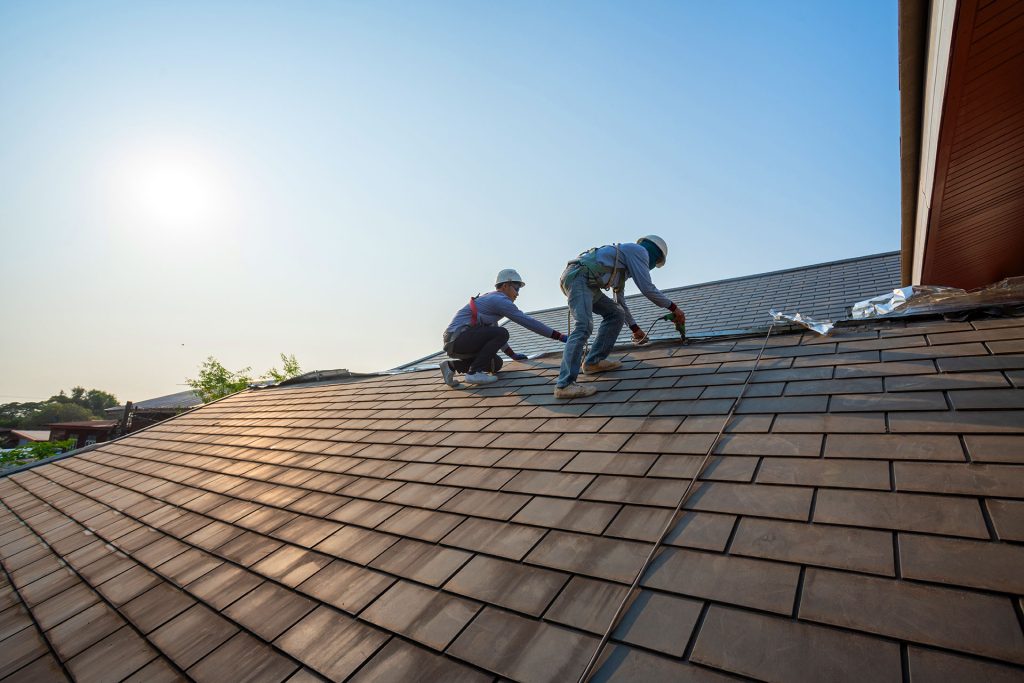
While minor repairs, like replacing a single shingle or applying sealant, can be tackled by a confident DIYer, most roof repairs are best left to professionals. Working on a roof is dangerous, and improper repairs can lead to bigger problems down the line, including voided warranties and water damage.
For anything beyond a small fix, hiring an experienced contractor ensures the job is done right the first time. If you’re noticing missing shingles, sagging areas, persistent leaks, or storm damage, scheduling a professional roof repair inspection is the smartest move you can make to protect your investment and avoid costly surprises.
Common Mistakes to Avoid During Roof Repairs
Even with the right materials, poor execution can sabotage your repair efforts. Watch out for these common pitfalls:
- Using mismatched materials that don’t bond or weather properly together.
- Ignoring underlying damage like rotted decking or compromised flashing.
- Skipping the underlayment when replacing shingles or tiles.
- Applying sealant in wet conditions, which prevents proper adhesion.
- Overlooking ventilation, which can lead to moisture buildup and shorter roof life.
Signs You Need Roof Repairs Right Away
Don’t wait until a small problem becomes a major disaster. Watch for these warning signs that indicate it’s time to invest in repair materials, or call a pro:
- Curling, cracked, or missing shingles
- Granules collecting in your gutters
- Water stains on ceilings or walls
- Daylight visible through the attic roof
- Sagging rooflines or visible dips
- Damaged flashing around chimneys or vents
Final Thoughts on Choosing Roof Repair Materials
Selecting the right roof repair material isn’t just about fixing a problem, it’s about safeguarding your home for years to come. From classic asphalt shingles to high-performance metal panels and specialty sealants, each material has a specific purpose and ideal application. By matching materials to your existing roof, considering your climate, and prioritizing quality over short-term savings, you’ll achieve a repair that lasts.
When in doubt, consult a trusted roofing professional who can assess your specific situation and recommend the best materials for the job. A small investment in quality repair materials today can save you thousands in future damage, and keep your home safe, dry, and beautiful for decades to come.