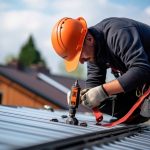


Discovering a damp patch on your ceiling is every homeowner’s nightmare, especially when you suspect your flat roof is the culprit. The good news? Learning how to repair a leaking flat roof doesn’t require a master’s degree in construction, just the right tools, techniques, and a bit of patience.
Flat roofs are popular for their modern aesthetic and cost-effective installation, but they’re notoriously prone to pooling water and weather damage. Acting quickly when you spot a leak can save you thousands in structural repairs down the line. Let’s dive into the essentials.
Why Flat Roofs Leak? Understanding? the Common Culprits
Before you can fix the problem, you need to know what caused it. Flat roofs face unique challenges compared to their pitched counterparts, primarily because water doesn’t drain off as easily. This standing water, combined with UV exposure and temperature fluctuations, creates the perfect storm for leaks.
Here are the most common reasons flat roofs spring leaks:
- Ponding water: Water that sits for more than 48 hours can degrade roofing materials.
- Cracked or blistered membrane: UV rays and thermal expansion cause the roofing material to crack over time.
- Damaged flashing: The metal strips around chimneys, vents, and edges often loosen or rust.
- Punctures: Foot traffic, fallen branches, or debris can puncture the membrane.
- Failed seams: The joints where roofing sheets meet are notorious weak points.
- Aging materials: Most flat roofs have a lifespan of 15-25 years.
Tools and Materials You’ll Need
Preparation is half the battle. Before climbing onto your roof, gather all the necessary supplies to avoid multiple trips up and down the ladder.
Essential Repair Kit Checklist
- Stiff broom and shop vacuum
- Utility knife or roofing knife
- Putty knife or trowel
- Roofing cement or bituminous sealant
- Patching material (matching your roof type,EPDM, TPO, or modified bitumen)
- Primer (specific to your membrane type)
- Roller for smoothing patches
- Safety equipment: non-slip shoes, gloves, harness for steep edges
- Caulk gun and waterproof sealant
How to Repair a Leaking Flat Roof: Step-by-Step Guide
Now for the main event. Follow these steps carefully, and remember, safety always comes first. Never attempt a roof repair during wet, windy, or icy conditions.
Step 1: Locate the Source of the Leak
This is often the trickiest part. Water is sneaky and can travel several feet from the entry point before showing up inside your home. Start by inspecting the area directly above the interior leak, then expand your search outward.
Look for telltale signs like dark stains, blistering, cracks, separated seams, or debris accumulation. Check around all penetrations, vents, skylights, HVAC units, and chimneys, as these are leak hotspots.
Step 2: Clean the Affected Area Thoroughly
A successful patch requires a pristine surface. Sweep away all dirt, gravel, and debris from the damaged area, extending at least two feet beyond the visible damage. Use a shop vacuum for stubborn dust, then wipe the area with a clean, dry cloth.
If the area is wet, you must let it dry completely before proceeding. Trapped moisture under a patch will cause the repair to fail almost immediately.
Step 3: Cut Out Damaged Sections
For blistered or bubbled areas, use your utility knife to carefully cut an “X” through the blister, but only through the damaged top layer, not the underlying roof structure. Peel back the flaps and inspect for moisture underneath. Allow this area to dry thoroughly.
For punctures or tears, cut a clean square or circle around the damage to create a uniform patching surface.
Step 4: Apply Roofing Cement and Patch
Spread a generous layer of roofing cement into the cut area using your putty knife, ensuring full coverage. Press the cut flaps back down into the cement and apply additional cement on top to seal the cuts.
Cut a patch from your matching roofing material that’s at least six inches larger than the damaged area on all sides. Press it firmly into the wet cement and use a roller to eliminate air bubbles and ensure full adhesion.
Step 5: Seal the Edges
Apply another layer of roofing cement around the entire perimeter of the patch, feathering it outward to create a smooth, waterproof transition. This step is crucial, edges are where most patch failures occur.
Step 6: Test Your Repair
Wait for the cement to cure according to the manufacturer’s instructions (usually 24-48 hours), then test your work with a garden hose. Spray water across the repaired area for several minutes and check inside for any signs of leakage.
Repairing Specific Flat Roof Types
Different flat roof materials require slightly different repair approaches. Knowing your roof type ensures you use compatible products.
EPDM (Rubber) Roofs
EPDM repairs require special EPDM primer and rubber patches with seam tape. Standard roofing cement won’t bond properly with rubber membranes.
TPO and PVC Roofs
These thermoplastic roofs are ideally repaired with heat welding, which typically requires professional equipment. For DIY fixes, use manufacturer-approved adhesive patches as a temporary solution.
Modified Bitumen and Built-Up Roofs
These asphalt-based roofs respond well to traditional roofing cement and fiberglass mesh patches, making them the most DIY-friendly option.
When to Call a Professional
While minor leaks are manageable for handy homeowners, some situations demand expert intervention. If you’re noticing multiple leaks, sagging areas, extensive ponding, or damage covering more than 25% of your roof’s surface, patching probably won’t cut it. At this point, a complete flat roof replacement may be more cost-effective than continual repairs, especially if your roof is approaching the end of its expected lifespan.
Other red flags that warrant professional help include:
- Visible structural damage or rotting decking
- Mold growth in your attic or ceiling
- Leaks that return after multiple repair attempts
- Roofs over commercial properties or multi-story buildings
- Any situation where you don’t feel completely safe
Preventive Maintenance: Stop Leaks Before They Start
The best leak repair is the one you never have to make. Regular maintenance can extend your flat roof’s life by years and save you significant money.
Twice-Yearly Tasks
- Clear all drains and gutters
- Remove debris and standing water
- Inspect seams and flashing
- Check for ponding spots
Annual Tasks
- Schedule professional inspection
- Reseal flashings as needed
- Apply protective UV coating
- Trim overhanging tree branches
Final Thoughts on Flat Roof Repair
Knowing how to repair a leaking flat roof is an invaluable skill that can protect your home and save you significant money on emergency repairs. By identifying the source of the leak, properly preparing the surface, and applying compatible patching materials, most homeowners can successfully tackle minor flat roof repairs in a single afternoon.
Remember that prevention through regular maintenance is always more affordable than reactive repairs. Inspect your roof seasonally, address small issues immediately, and don’t hesitate to call in professionals for complex problems or when your roof reaches its golden years. With proper care and timely repairs, your flat roof can faithfully protect your home for decades to come.